What I’m reading: Global offshore wind update, coal will soon disappear in Denmark, plug-in solar update, global energy transition tracker, and more
Quitting Carbon's biweekly roundup of energy transition developments you might have missed.


Quitting Carbon is a 100% subscriber-funded publication. To support my work, please consider becoming a paid subscriber, gifting a paid subscription, or leaving a tip.
Welcome back to another roundup of important energy transition developments you might have missed.
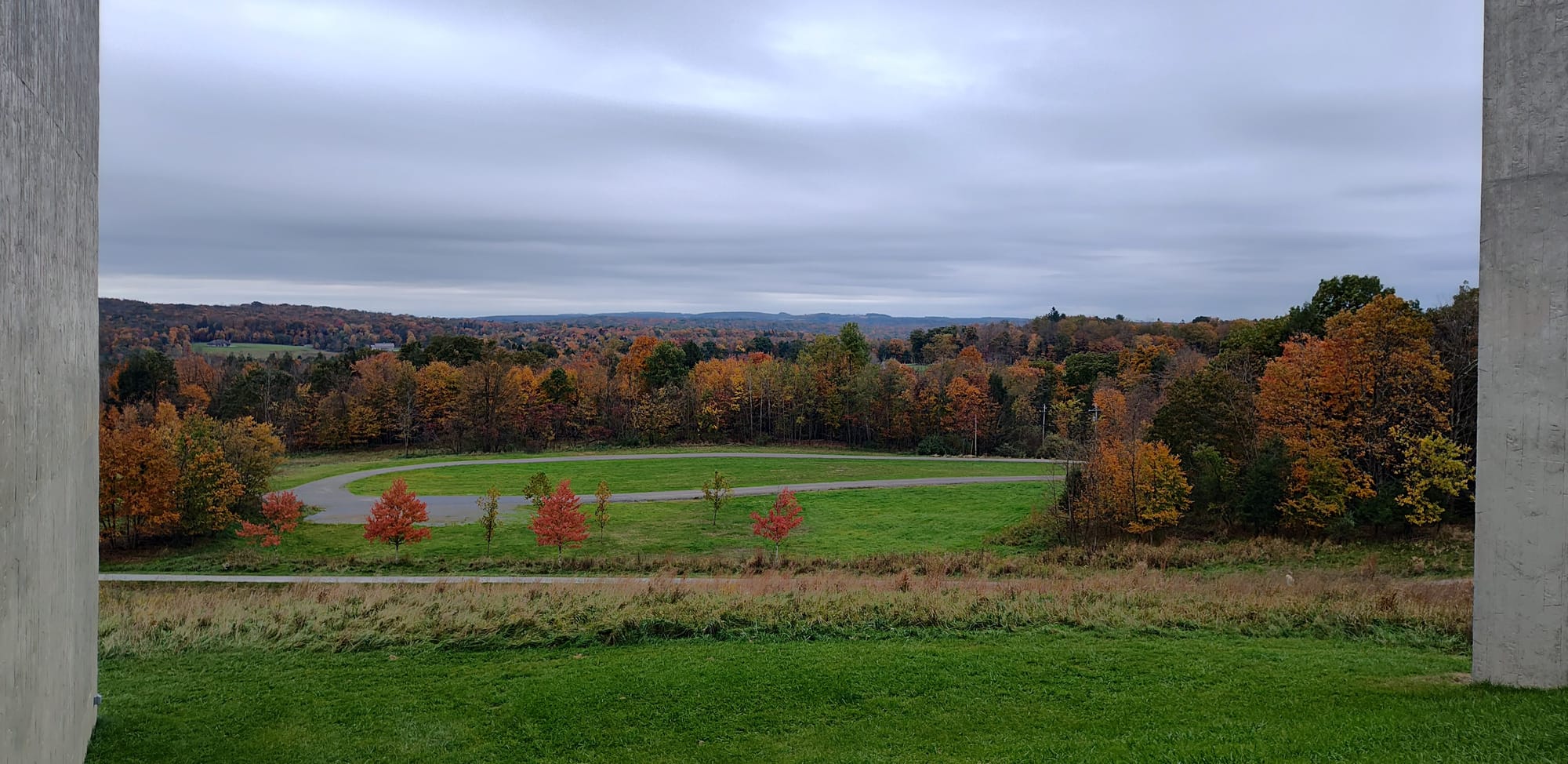
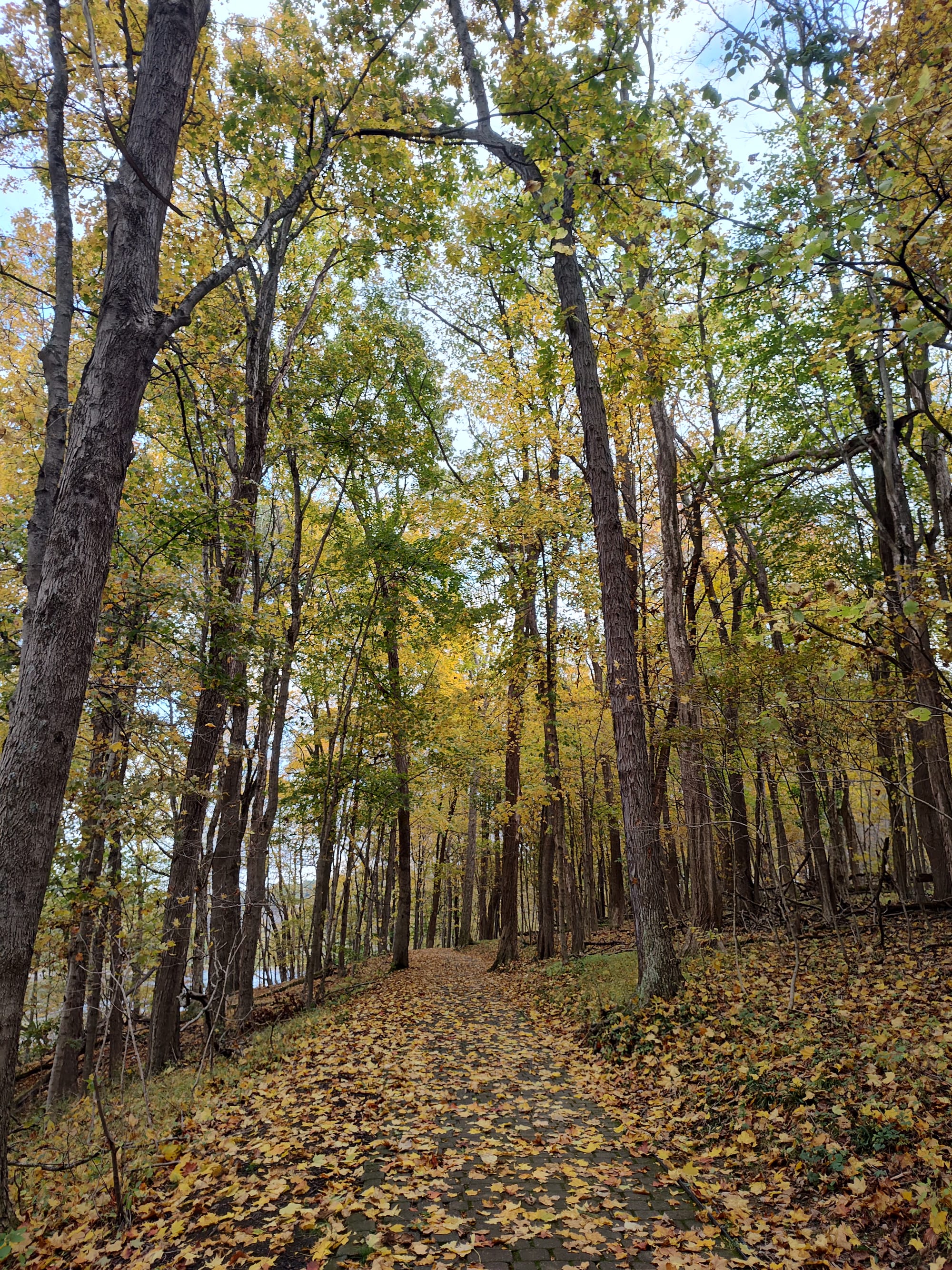
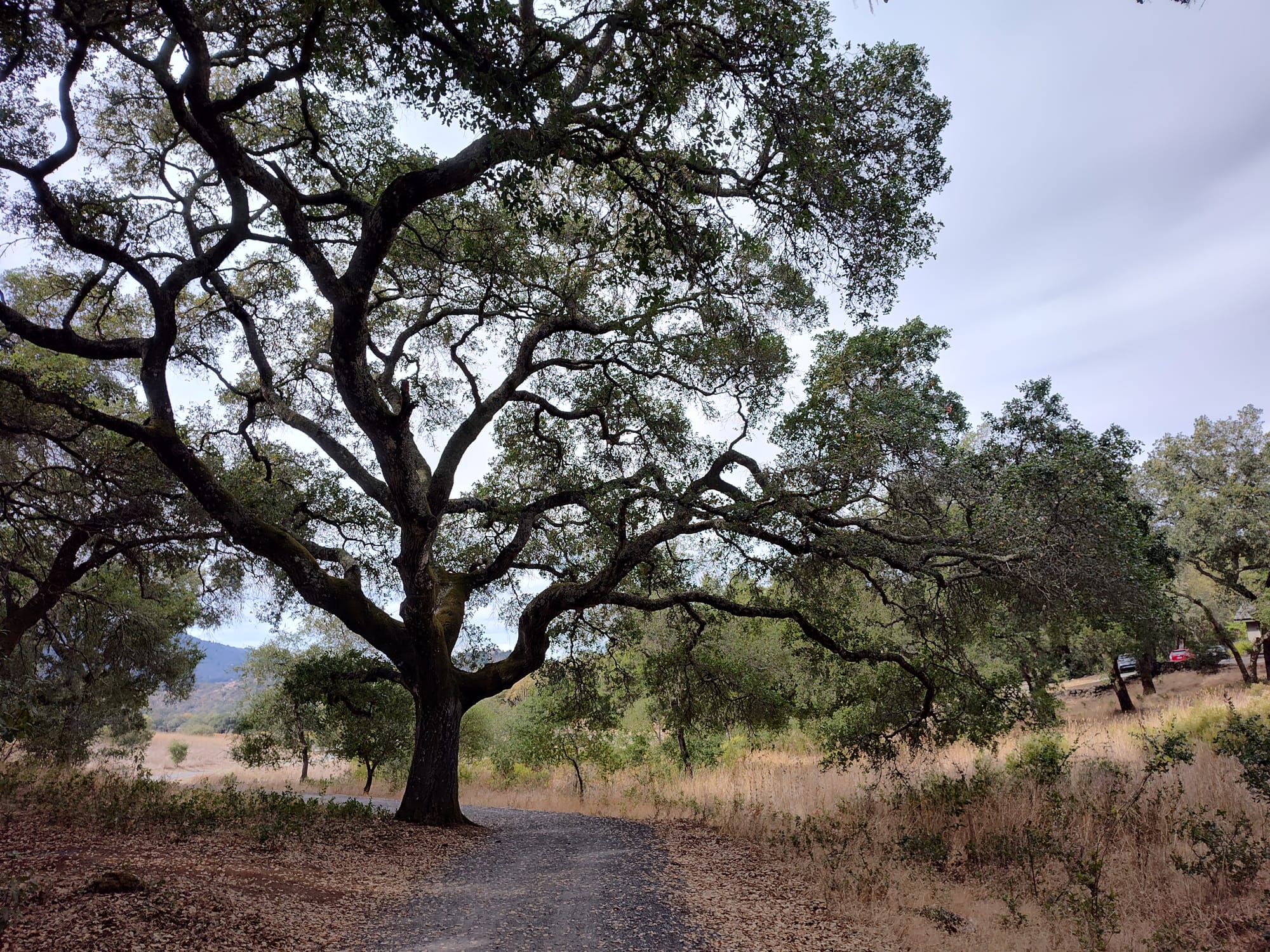
Read to the end for more photos from my recent travels – this time to Western Pennsylvania and California's Wine Country.
Have a great weekend and thanks, as always, for reading.
Global offshore wind update
As the Trump administration continues to do everything it can to kill the U.S. offshore wind industry – including attempting to rescind approvals granted by the Biden administration for proposed and operating wind farms – efforts to build projects are moving ahead in other global markets.
Earlier this month, the federal government in Canada committed $100 million ($71 million US) to advance offshore wind development in Nova Scotia, where the provincial government is advancing the Wind West initiative.
This week, the U.S. state of Vermont signed a three-year agreement with Nova Scotia under which the two governments “will investigate potential transmission pathways to enable and enhance energy exchange capabilities, particularly considering an expanded bidirectional energy conduit role for a new, right-sized Highgate Converter for the delivery of Nova Scotian-offshore wind-based generation into New England.”
The Highgate Converter is an existing high-voltage connection linking the New England and Canadian grids at the Vermont-Quebec border. I wrote about the Wind West plan in a July roundup.
In New Zealand, the government just opened its first round of offshore renewable energy feasibility permit applications for a process that runs through April 19, 2027.
Officials in France just closed the bid submission period for the country’s largest offshore wind solicitation to date. I wrote about the massive tender, which includes both floating and fixed-bottom projects with a combined capacity of around 10 gigawatts, in a June roundup.
And in Poland, the 76th and final 15-megawatt turbine was installed at Baltic Power, the country’s first offshore wind farm, earlier this month. At full capacity, the project, which recently sent its first power to the national grid, will generate enough power to meet 3% of current electricity demand in Poland.
Coal will soon disappear in Denmark
Longtime readers may remember that inspiration for the name of this newsletter came from the e-book by the same name I published a decade ago on Denmark’s energy transition.
At that time, “quitting carbon” referred mostly to Denmark’s success in transitioning away from coal in electricity production and district heating. That transition is now nearly complete.
“In Aalborg, Northern Jutland, stands Denmark’s last coal-fired power plant. But its days are numbered. When it closes, expected by the end of 2028, coal will no longer be used to produce electricity or district heating in Denmark,” writes State of Green’s Benjamin Bonnevie.
Around two-thirds of Danish homes are served by district heating networks. Until recently, the heat for those networks came mostly from coal-fired combined heat and power plants.
But biomass eventually displaced much of that coal as a fuel source and today electricity and heat pumps are rapidly displacing biomass.
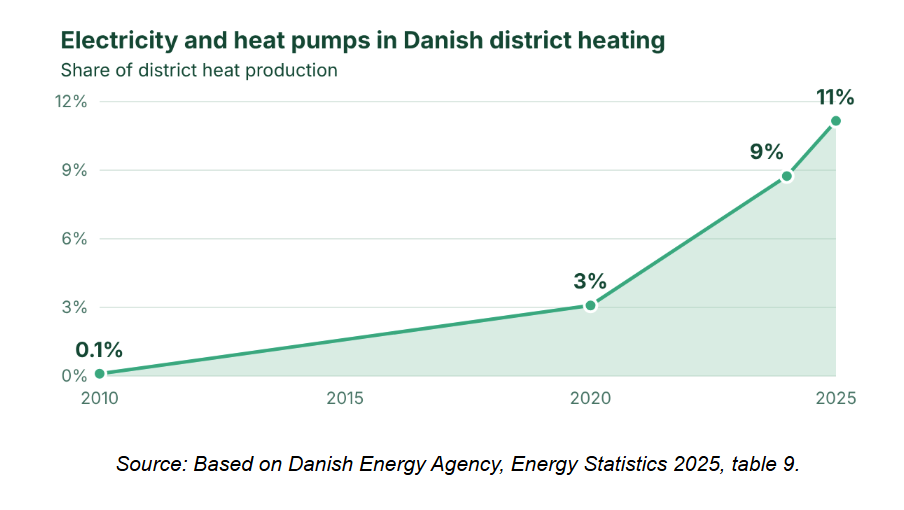
“Official projections suggest that by 2035, more than half of Denmark’s district heating will come from heat pumps and other technologies that do not burn fuel,” writes Bonnevie.
World’s largest battery-electric ship gets to work
I’ve reported a few times in these roundups on the China Zorrilla, an all-electric ferry manufactured in Tasmania, Australia, that its builder, Incat, calls “the world’s largest battery-electric ship.”
After a cross-oceanic journey to its port of call in South America, the China Zorrilla started ferrying passengers between Argentina and Uruguay last week.
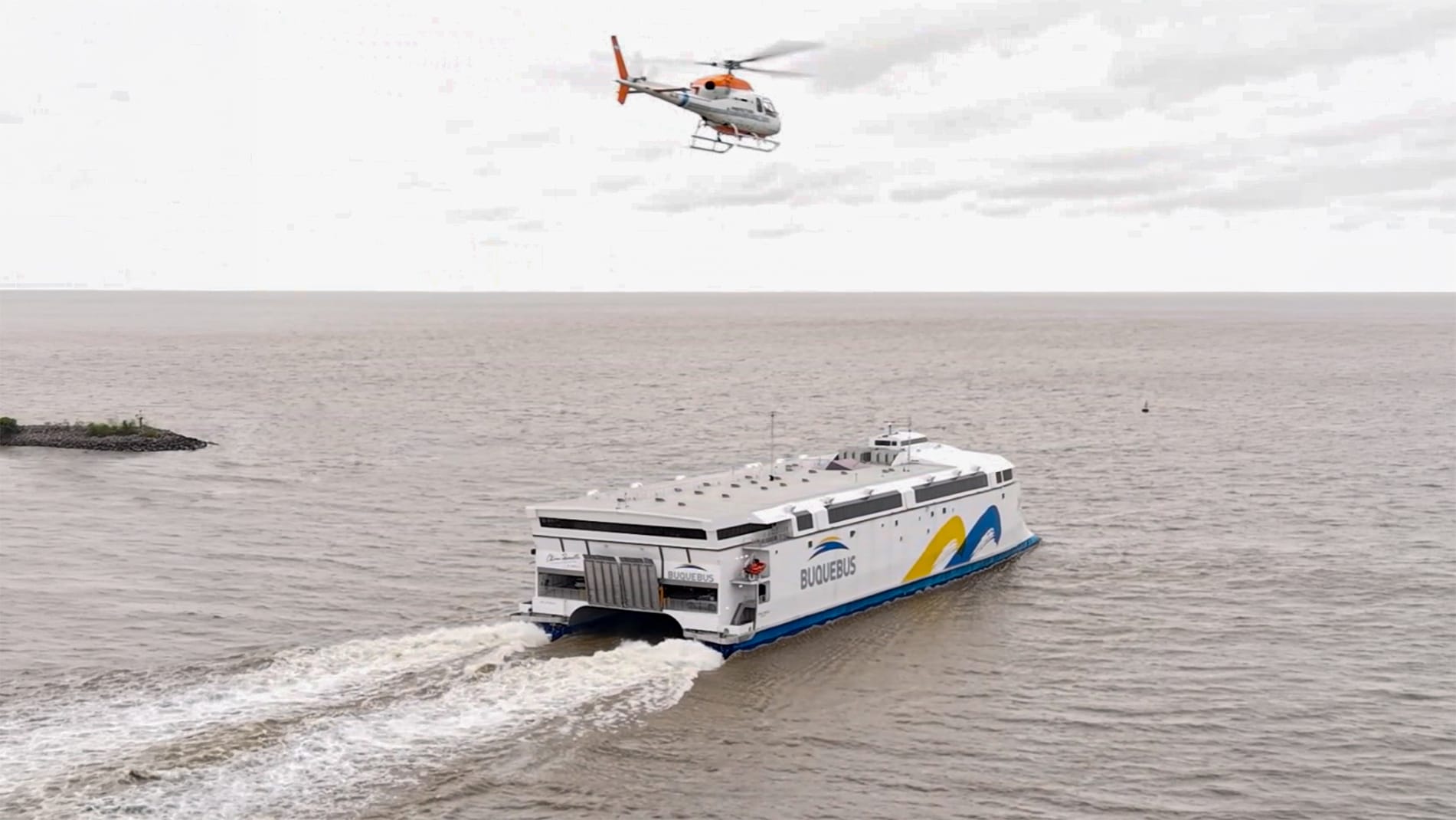
“This ship proves that large, high-capacity commercial vessels can operate on electric power, and that passengers can enjoy a completely different experience in the process, without the traditional diesel-engine noise, vibration or exhaust emissions,” Incat Chairman Robert Clifford said in a statement.
Many more battery-electric ships will hit the water soon.
Two thousand battery-powered vessels, including hybrid models, are either delivered or under order, according to a registry maintained by the Maritime Battery Forum, reports Bloomberg’s David Stringer.
Plug-in solar update: the U.S. and Australia
As of this writing, 11 U.S. states have passed legislation legalizing plug-in solar systems. Among the bills are California’s SB 868 and New York’s S8512A, which together would go a long way toward building momentum for the nascent market for plug-in, or balcony, solar in the U.S. New York's plug-in solar legislation awaits Governor Kathy Hochul’s (D) signature.
What else might jumpstart the market? Legislation legalizing the plug-in solar systems nationwide.
A bill introduced last week by U.S. Representative Rob Menendez (D) (HR 10851) would do just that.
The Socket Full of Sunshine Act would:
- Require states to consider removing barriers to plug-in solar, such as interconnection agreements and utility-imposed approvals, fees, insurance mandates, and equipment requirements.
- Set clear safety standards for plug-in solar devices.
- Create a $100 million annual Department of Energy grant program to fund state rebates of up to $1,000 for low- and moderate-income households.
- Protect renters’ right to use plug-in solar devices
- Create a label that shows consumers their expected electricity savings.
The plug-in solar market could soon take off Down Under as well.
This week, the government of the state of Western Australia announced it intends to legalize plug-in solar.
“Western Australia has launched consultation on safety standards for plug-in solar and batteries, and declared its intention to become the first Australian state or territory to legalise the potentially game-changing portable energy systems that promise to truly democratise consumer energy,” reports Renew Economy’s Sophie Vorrath.
“Western Australia will be the first state in the country to make this legal and we want to ensure that it’s done properly,” Western Australia Commerce Minister Tony Buti said in a statement.
Let’s take another quick tour of the globe for some recent clean energy deployment records and milestones:
Decarbonizing homes
- Earlier this month, Canada announced a $2 billion ($1.42 billion US) investment to retrofit 1 million homes. Under a new National Heat Pump Rebate, households can receive up to $10,000 towards the purchase of an electric heat pump. The Canada Mortgage and Housing Corporation and the Canada Infrastructure Bank Apartment will also support apartment building owners in retrofitting 280,000 units over the next eight years. (Office of Prime Minister Mark Carney)
Global EV sales surge continues
- EV registrations in the Philippines have more than doubled this year and account for “nearly a quarter” of passenger vehicle sales. (Sudarshan Varadhan and Karen Lema, Reuters)
- Government officials in Pakistan expect to reach a 2030 target for EVs to account for 30% of new vehicles sales “ahead of schedule.” (Tooba Khan and Bilal Hussain, Bloomberg)
- Sales of battery electric vehicles in Europe increased by 70% year-over-year in September, good for a 30% share of new vehicle sales. (Reuters)
- So-called new-energy vehicles (battery electric + plug-in hybrid models) accounted for a record 67% of new car sales in China in September. China’s passenger-car NEV fleet has displaced 143 million barrels of oil so far during the Strait of Hormuz crisis, Ember's Euan Graham told Carbon Brief. (Lekai Liu, Carbon Brief)
- Even in the United States, where electric vehicle sales cratered in the wake of the Republicans' repeal of the $7,500 federal EV tax credit last September, sales appear to be on the rebound. “About 6.5% of all new cars sold in the U.S. last quarter were EVs, according to Kelley Blue Book data. That’s 7.7% higher than second quarter numbers, the first significant growth in a year.” (Sean Tucker, Kelley Blue Book)
Southeast Asia nations embrace renewables in response to Iran war
- Energy ministers from ASEAN (Association of Southeast Asian Nations) member countries “reaffirmed ASEAN’s aspirational targets of achieving a 30% renewable energy share in Total Primary Energy Supply and a 45% renewable-energy share in installed power capacity by 2030.” (44th ASEAN Ministers on Energy Meeting)
China's booming, emissions-slashing clean tech exports
- China is on pace to exceed last year's record trade surplus, with clean energy technologies leading the way. In the first three quarters of 2026, exports of wind turbines and parts, solar products, and batteries increased by 22.4%, 10.3%, and 34.8%, respectively. (Yukun Zhang, Ellen Zhang, and Liz Lee, Reuters)
- China's clean tech exports in 2026 are on track to cut emissions beyond its borders by 2% – equivalent to Brazil's annual emissions. (Lauri Myllyvirta, Carbon Brief)
Battery energy storage deployments soar
- Project developers in Germany installed 91% more battery energy storage capacity in the first nine months of 2026 than in the same period in 2025, according to data from the German Solar Association. (Edgar Meza, Clean Energy Wire)
- Research provider BloombergNEF forecasts 45% year-on-year growth in global battery energy storage deployments in 2026. (Andy Colthorpe, Energy Storage News)
One more thing: Scenes from Western Pennsylvania and California's Wine Country
Earlier this month, I was in Western Pennsylvania to visit my in-laws. A highlight of the visit was a road trip through the beautiful and bucolic Laurel Highlands. And last week, I spent a few days in Sonoma County to celebrate my 20th wedding anniversary.